

By Haliru Idris
For one week, taxation moved beyond policy documents, audit rooms and revenue offices into markets, mosques, churches, roads and public conversations across Ilorin as the Chartered Institute of Taxation of Nigeria (CITN) Ilorin and District Society staged its 2026 Annual Tax Week.
The week-long programme, held under the theme “Tax Awareness for National Growth: Reform, Compliance and Shared Prosperity,” brought together tax professionals, government officials, legal practitioners, market leaders and citizens in what many participants described as one of the most extensive tax awareness campaigns witnessed in recent years in Kwara State.

From institutional advocacy visits and professional symposiums to road walks, market sensitisation campaigns, tax clinics and award ceremonies, the event sought to bridge the widening gap between taxpayers and tax authorities while promoting understanding of Nigeria’s emerging tax reforms.
At the centre of the conversation was a message repeatedly echoed throughout the week by stakeholders and professionals alike: taxation remains the backbone of sustainable development.
For the Chairman of CITN Ilorin and District Society, Mr Taofiq Alabi, the objective of the week was straightforward; take taxation to the people.

“The only sustainable revenue for government is tax revenue,” he said during an interview at the dinner and award night that climaxed the week-long activities.
According to him, the programme was designed to demystify taxation, particularly in the wake of Nigeria’s recent tax reforms, adding that the district deliberately moved discussions away from conference halls and directly to communities where misconceptions about taxation remain widespread.
“The feedback from the public was encouraging. People wanted to understand what taxation means, how assessments are made and what rights they have as taxpayers,” he said.
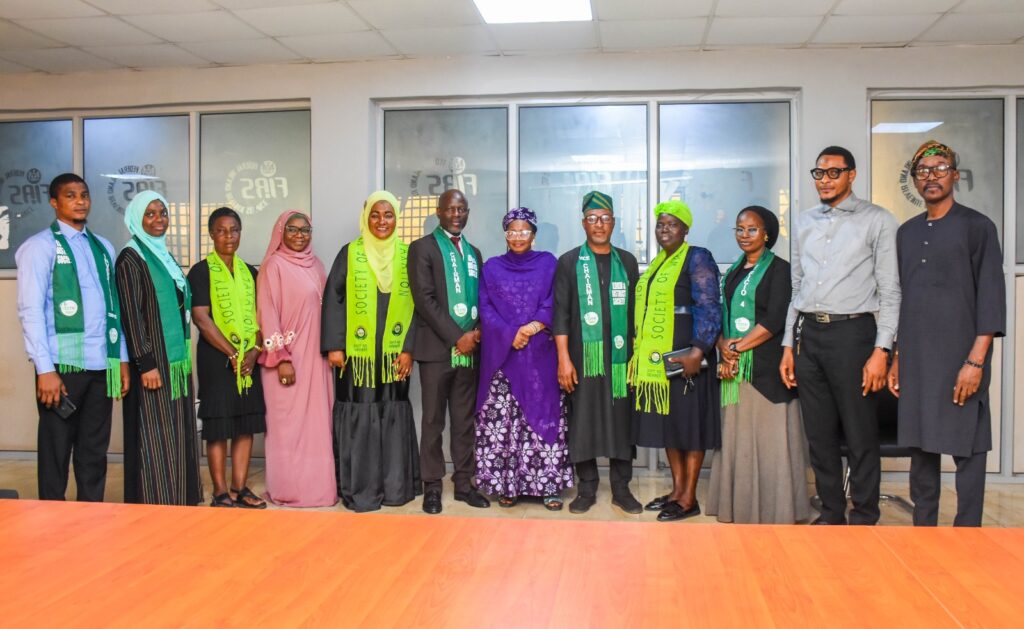
Activities commenced with courtesy visits to key stakeholders, including the leadership of the state revenue administration, the Ministry of Finance and the Emirate Council, reinforcing institutional support for improved tax culture.
The following day witnessed a professional symposium where experts dissected recent reforms in Nigeria’s tax administration system and their implications for businesses and citizens.
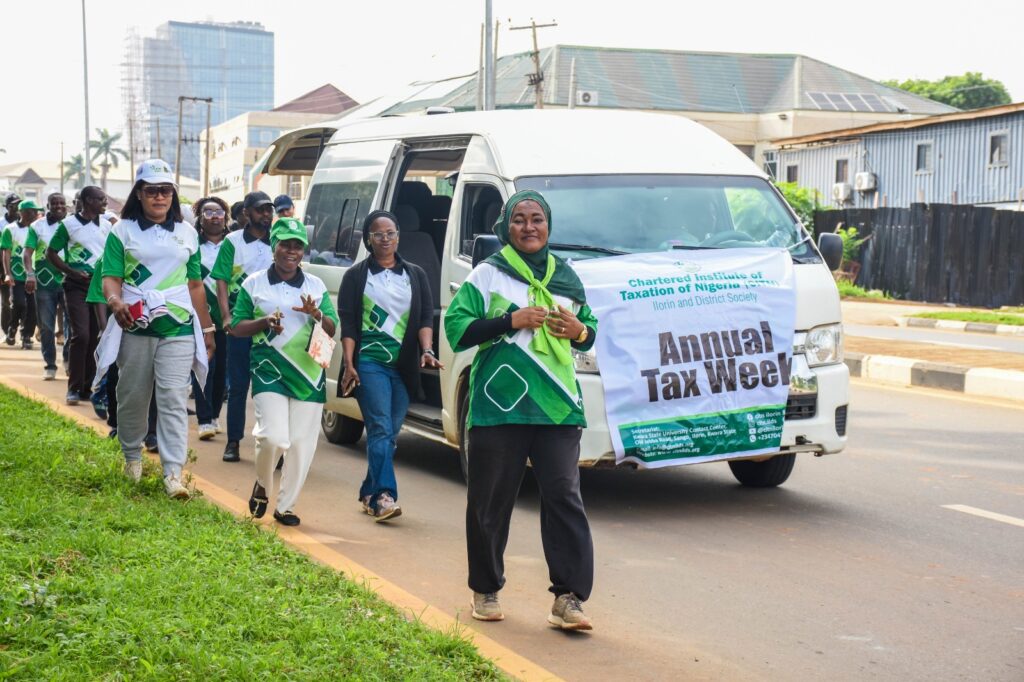
Perhaps the most visible aspect of the week was the tax walk and public sensitisation campaign which drew members of the institute onto the streets of Ilorin through combined fitness advocacy with public enlightenment as participants moved through major parts of the metropolis carrying messages promoting voluntary compliance.
Beyond the walk, members of the institute established tax clinics and moved into major commercial centres including Oja-Oba, Oja-Tuntun and Mandate Market, where traders were educated on personal income tax obligations, record keeping and available dispute resolution mechanisms.
Many market men and women admitted during the interactions that they had previously misunderstood taxation, often perceiving it merely as arbitrary levies attached to shops and stalls.
The tax clinics provided an opportunity for officials to explain that taxation is largely tied to income levels and that taxpayers have rights of objection where assessments are considered inaccurate.
Among those who lent their voices to the campaign was the Deputy Accountant-General of Kwara State, Hajia Abduraheem Yetunde, who urged citizens to register with relevant tax authorities, obtain Tax Identification Numbers and file returns promptly.
Her message reflected a broader consensus shared by participants throughout the week, that development is impossible without a functioning tax culture.
Officials from the Nigerian revenue administration echoed similar sentiments, insisting that roads, schools, healthcare facilities and public infrastructure ultimately depend on tax receipts.
According to them, many developed economies built their prosperity not on natural resources but on responsible tax systems and citizen compliance.
Senior Advocate of Nigeria, Professor Yusuf Ali, argued that tax administration must be rooted in the rule of law and fairness and added that taxpayers have civic obligations, but governments equally have responsibilities to ensure transparency and respect for citizens’ rights.
“Tax must have a human face,” he observed, warning against excessive assessments capable of encouraging avoidance and distrust.”
Another Senior Advocate of Nigeria and one of the distinguished award recipients at the dinner, Professor Abiodun Amuda-Kannike, stressed that compliance should be driven more by persuasion and public confidence than coercion.
He maintained that citizens are more willing to pay taxes when they can clearly see evidence of development and prudent utilisation of public funds.
Officials of the state’s revenue administration repeatedly emphasised collaboration between government institutions and professional bodies as essential for improving compliance rates.
The Director of Administration and Operations at the state revenue service, Mr Lakadiri Yusuf, described taxation as both a civic and moral obligation but added that citizens often overlook the indirect benefits of taxes, including subsidised education and healthcare services.
Similarly, the General Secretary of the district society, Mr Ameen Olatunji Razaq, said record keeping remains one of the greatest challenges facing small businesses and taxpayers.
Without proper records, he explained, taxpayers find it difficult to challenge assessments or benefit from available reliefs and incentives.
The Social and Publicity Secretary, Mr Alayande Musa, identified lack of tax education as a major factor behind poor compliance levels among traders and small business owners.
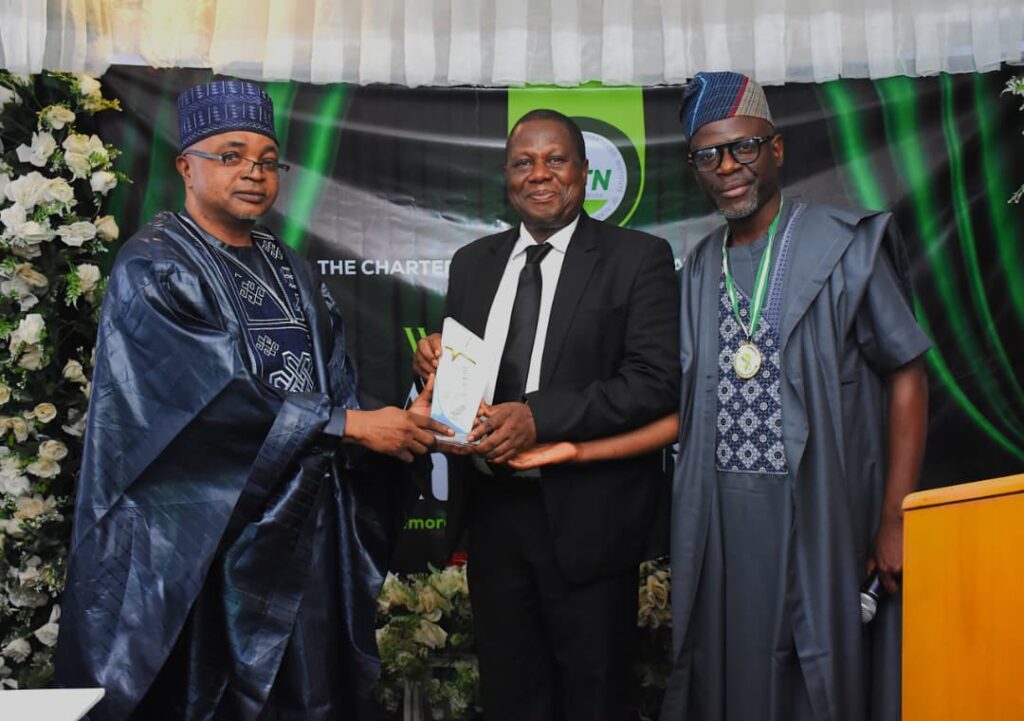
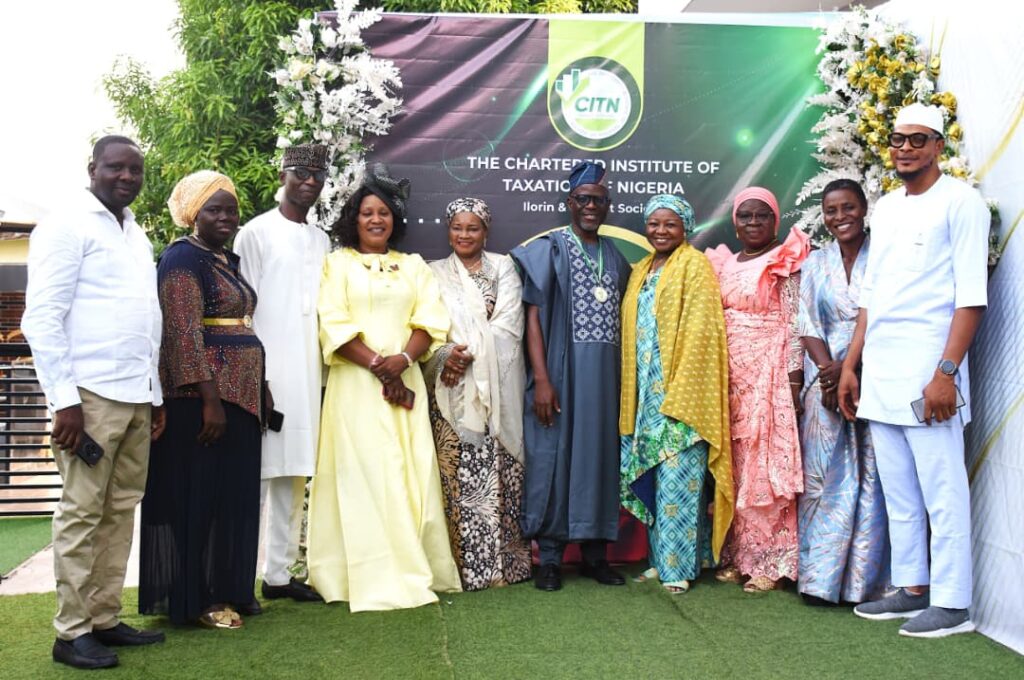
The week culminated in a colourful dinner and award night where distinguished personalities who contributed to tax advocacy and revenue growth were honoured.
Among those recognised were respected academics, legal practitioners, corporate leaders and supporters of the district society.
Chairman of the district, Mr Alabi, said the awardees emerged after extensive deliberations and represented individuals whose contributions to tax administration and public service were both significant and measurable.
Professor Amuda-Kannike described the honour as motivation to contribute even more to national development and public education on taxation.
The Annual Tax Week also highlighted a significant shift in public discourse surrounding taxation in Nigeria.
Rather than focusing solely on enforcement, discussions increasingly centred on trust, transparency, accountability and digital efficiency.
Stakeholders repeatedly argued that citizens are more likely to comply when governments demonstrate prudent use of public resources and make tax systems easier to understand.
As the final prayers were offered during the closing Church service and Juma’at prayers held earlier in the week, organisers expressed hope that the conversations initiated during the campaign would outlive the event itself.
For CITN Ilorin and District Society, the challenge now lies not merely in collecting taxes but in building a culture where compliance becomes voluntary, informed and widely accepted.
If the turnout witnessed at the tax walk, market clinics and dinner gathering is any indication, that conversation may have started.
As the curtains fell on the week-long activities, the Vice Chairman of the CITN Ilorin and District Society, Mr Yakub Aduagba, expressed appreciation to members, government institutions, sponsors and participants whose contributions ensured the success of the programme.
He commended the commitment shown by stakeholders throughout the week and urged residents of Kwara State to embrace voluntary tax compliance as a civic responsibility and a necessary ingredient for development.
According to him, taxation should not be viewed as a burden but as a collective investment in better roads, improved healthcare, quality education and stronger public institutions.
He noted that the success of the tax week demonstrated that sustained public engagement and education remain critical to building trust between taxpayers and government institutions.
